
Robert Prins Research Lab
Robert Prins Lab at UCLA
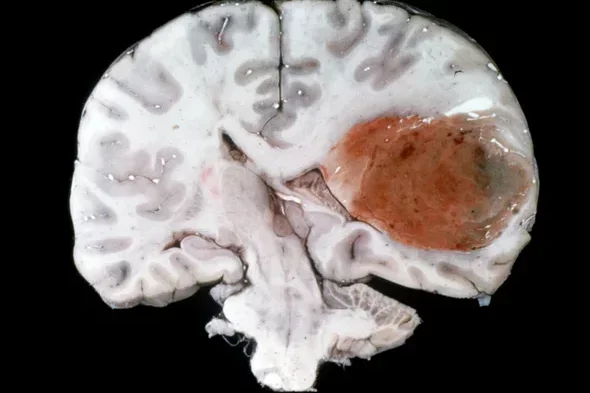
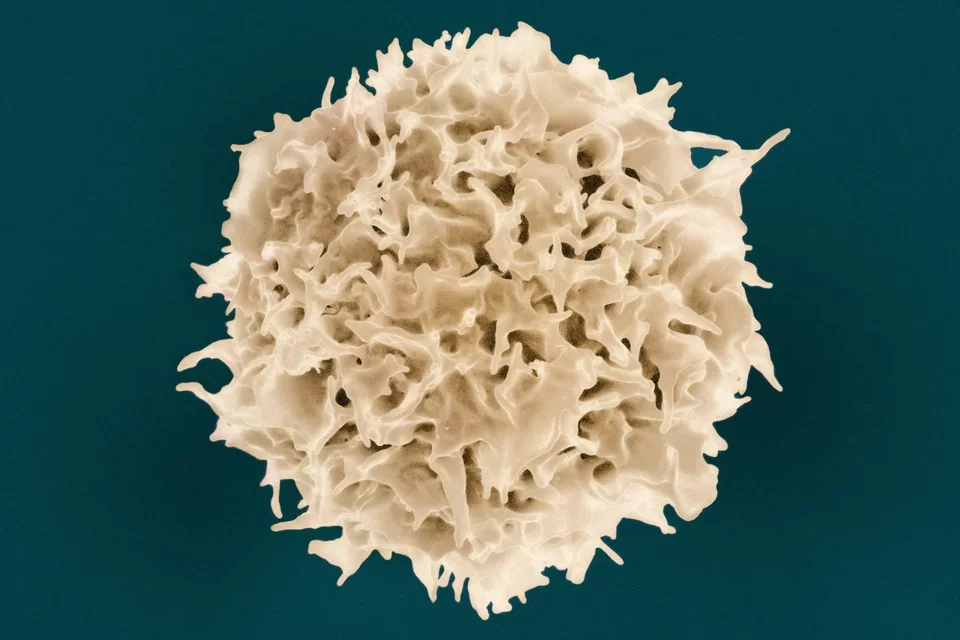
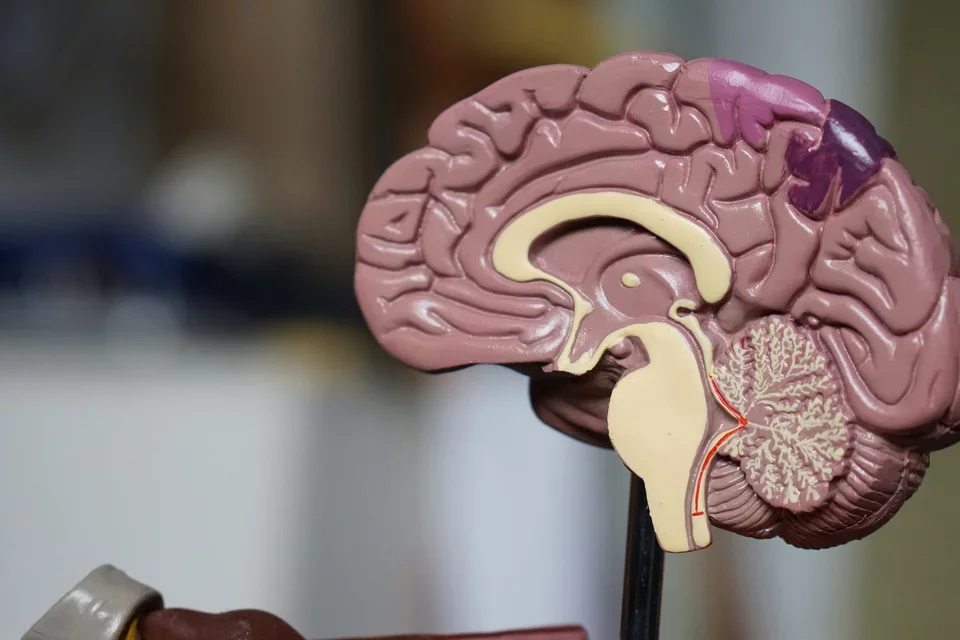
We study immune-based therapies for the treatment of central nervous system (CNS) tumors
Despite recent advances in traditional treatment options, the prognosis for most CNS tumor patients has not changed appreciably in twenty years. Thus, these patients are left with few treatment options. Members of our research group are attempting to apply what they learn from pre-clinical models towards the implementation of immunotherapy clinical trials for brain tumor patients. This work is translational in nature and straddles the boundary between clinical medicine and basic research. On one hand, our group spends a significant amount of time trying to understand the mechanisms by which tumor-specific T-cells can be activated to target tumor cells in the brain. On the other hand, Dr. Prins leads the laboratory effort for immunotherapy clinical trials at UCLA in glioma patients. This work represents the “bench to bedside” philosophy and is an active synergy between laboratory and clinical medicine.
Robert M. Prins, Ph.D.
Dr. Robert Prins is a tumor immunologist and Professor with dual appointments in the departments of Neurosurgery and Molecular and Medical Pharmacology at the David Geffen School of Medicine at UCLA.
News & Highlights
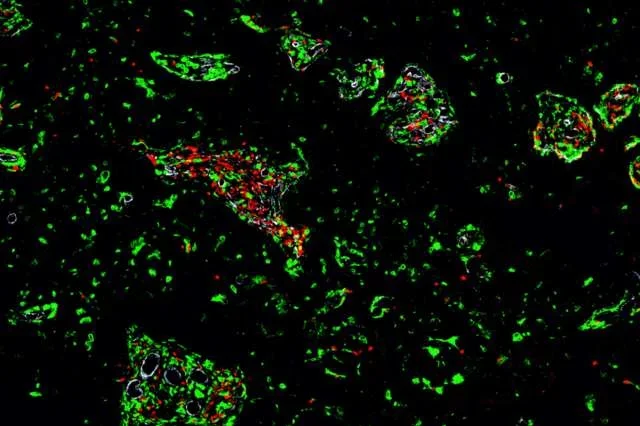
Checkpoint Inhibition in Brain Metastases
Our study could help explain why certain brain tumors don’t respond well to immunotherapy.
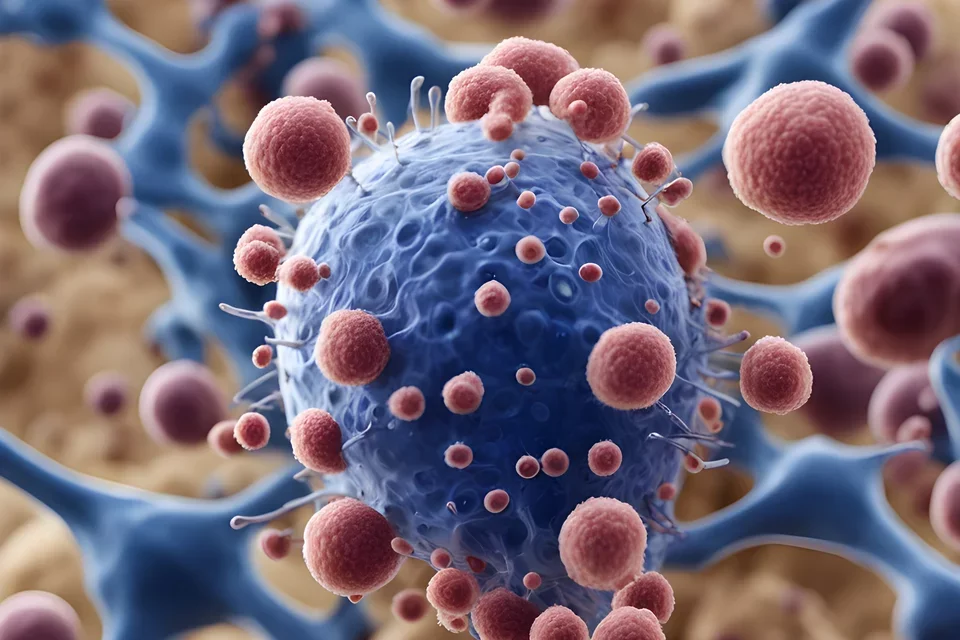
Changes in GBM tumor microenvironment with ICB
Our research shows why immune checkpoint blockade impedes but may not stop glioblastoma progression.
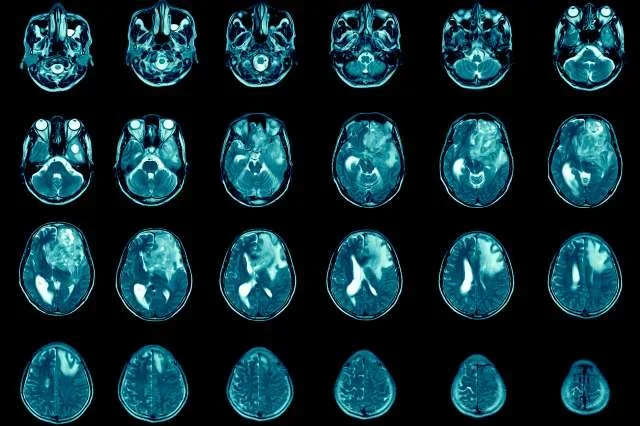
UCLA researchers help lead national effort to improve care for patients with glioblastoma
A new Department of Defense (DOD) funded collaboration aims to improve treatment monitoring and accelerate more personalized therapies.
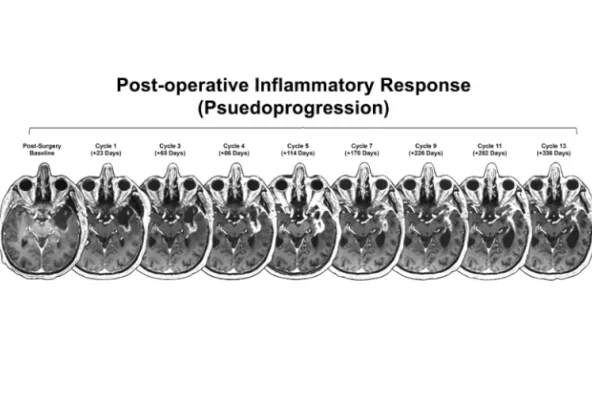
Scientists identify clues to making immunotherapy more effective against glioblastoma
Two UCLA-led studies identify features of effective immune responses in glioblastoma and introduce a preclinical model that more closely mirrors the human disease.